Influences

Writers and books organized by genre that have shaped my understanding of how stories can explore quiet moments, emotional restraint, and the spaces between words.

Explore literary fiction and psychological thriller authors whose work influences my writing about migration, love, memory, emotional restraint, and character-driven narratives.

Genre

Literary Fiction

Writers of literary fiction whose work explores migration, emotional restraint, relationships, and the quiet consequences of choice. These authors have shaped my understanding of how stories can exist in the spaces between words, in what remains unspoken, in the small accommodations we make to maintain connection.

I don't remember when I first understood that the most important moments in fiction are often the quietest ones. It might have been reading Dostoevsky's “White Nights” late one evening, or perhaps it was Lahiri's “The Namesake” during a long train ride. What I do know is that certain writers showed me how stories can exist in the spaces between words, in what remains unspoken, in the small accommodations we make to maintain connection.

The authors below have each taught me something important about writing literary fiction. Not through grand pronouncements or dramatic revelations, but through their attention to the ordinary, their restraint in depicting emotion, their understanding that lives are shaped not by single events but by the accumulation of small choices and quiet negotiations.

Cover of White Nights by Fyodor Dostoevsky

Fyodor Dostoevsky

White Nights

I read "White Nights" during a period when I was trying to understand how to write about connection without making it dramatic. The story exists entirely in the space between two people, in conversations that never quite happen. The narrator's walks through St. Petersburg, his encounters with the young woman, the way their connection forms in those liminal hours between day and night. All of it exists in the margins of ordinary life. What struck me was how much happens in what isn't said. The thoughts that remain unspoken, the emotions that are felt but not expressed. The most profound moments in fiction often occur in silence, in the gaps between words. Emotional restraint is not absence. It's a different form of presence.

Cover of The Namesake by Jhumpa Lahiri

Jhumpa Lahiri

The Namesake

"The Namesake" sits on my desk, its pages marked with notes I made years ago. Migration is not a single event but a continuous negotiation. I remember reading about Gogol's relationship with his name, how it never quite fit, and recognizing something I'd felt but couldn't articulate. Identity accumulates in small moments: the way a name is pronounced, the food that tastes like home, the language that fits better in one context than another. Her restraint in depicting these moments allows the emotional weight to accumulate naturally. She doesn't force significance. She simply shows the daily accommodations, the small negotiations between belonging and displacement. The most powerful stories about displacement are often the quietest ones.

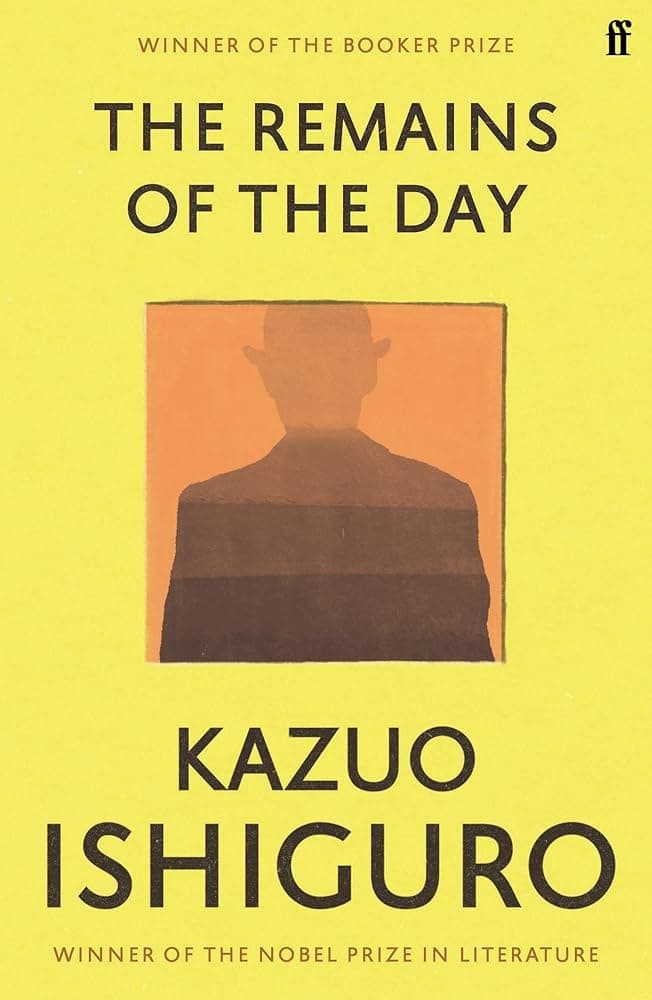
Cover of The Remains of the Day by Kazuo Ishiguro

Kazuo Ishiguro

The Remains of the Day

The most devastating moments in Ishiguro's work are often the ones that never happen. The conversations that are avoided. The feelings that are deferred. The choices that are made by not choosing. I read "The Remains of the Day" and understood, perhaps for the first time, how a life can be comprehended only in retrospect. Stevens the butler, with his careful accommodations, his deferrals, his restraint. The quiet accommodations we make accumulate into something larger, something that only becomes visible when it's too late to change. Emotional power comes not from revelation but from recognition. From the moment when a character, and the reader, understands what has been lost through what was never said.

Cover of Light Years by James Salter

James Salter

Light Years

Restraint can be a form of intensity. I remember reading "Light Years" and being struck by how much Salter conveys through what he doesn't say. The way someone moves. The words they don't say. The spaces between conversations. His work shows how relationships are sustained not through grand gestures but through the accumulation of small moments. A marriage can be understood through its quiet accommodations, through what is maintained rather than what is transformed. His elegance reminds me that the most powerful emotions are often the ones that are barely expressed. There's a precision in his restraint that makes every word matter.

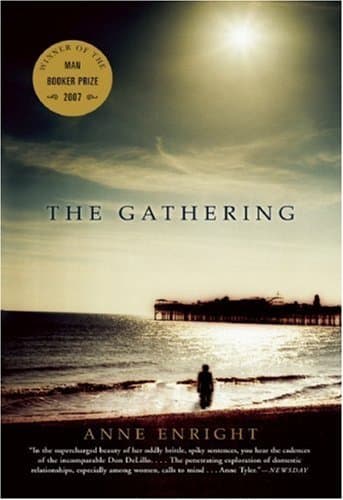
Cover of The Gathering by Anne Enright

Anne Enright

The Gathering

Family relationships are built through the accumulation of small accommodations and quiet tensions. "The Gathering" particularly reveals how the most significant moments in a family's history are often the ones that remain unspoken, the ones that are understood through implication rather than direct expression. Her psychological insight shows that emotional depth comes from attention to the quiet ways in which families negotiate closeness and distance, protection and constraint. Reading Enright feels like understanding a family dynamic you've always sensed but never articulated. The things we don't say to each other can be as binding as the things we do.

Cover of Americanah by Chimamanda Ngozi Adichie

Chimamanda Ngozi Adichie

Americanah

"Americanah" reveals how migration is experienced as a continuous negotiation of identity, not a single transformation. Ifemelu's journey from Nigeria to America and back, her blog posts, her relationships. Adichie renders all of it with such emotional richness. Relationships are maintained across distances, both geographical and cultural, through the small accommodations we make to different contexts. Belonging is not a fixed state but a continuous negotiation. The most powerful stories about migration focus on how identity is constructed in the spaces between cultures rather than in choosing one over another. There's something in her work about the ongoing work of being yourself in different places, about how you carry who you are even as you adapt to where you are.

Genre

Psychological Thrillers That Shaped My Way of Writing

I am drawn to psychological thrillers that disturb quietly—stories where the tension lives inside the mind, where dread accumulates through silence, memory, and moral compromise rather than spectacle. These books shaped not just what I read, but how I think about interiority, restraint, and consequence.

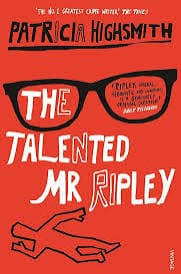
Cover of The Talented Mr. Ripley by Patricia Highsmith

Patricia Highsmith

The Talented Mr. Ripley

Highsmith taught me that the most frightening thing is not violence, but self-justification. Ripley does not unravel; he adapts. His calm rationality forces the reader into an uneasy intimacy with his choices. This is the kind of psychological tension I value—where the danger is not a sudden act, but a mind learning to live comfortably with its own distortions.

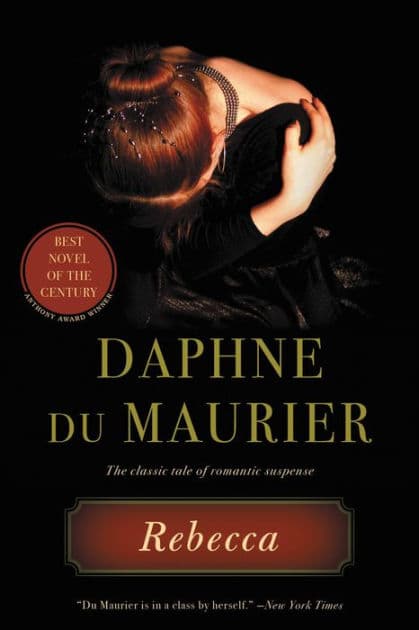
Cover of Rebecca by Daphne du Maurier

Daphne du Maurier

Rebecca

Rebecca showed me how absence can dominate a narrative more powerfully than presence. The novel's psychological grip comes from insecurity, comparison, and the slow erosion of selfhood. What stays with me is how dread is sustained through atmosphere and memory—proof that suspense does not require speed, only persistence.

Cover of Shutter Island by Dennis Lehane

Dennis Lehane

Shutter Island

Lehane's novel demonstrated how identity itself can be the mystery. The psychological impact of Shutter Island lies in its refusal to separate trauma from perception—memory becomes unreliable not as a trick, but as a consequence of survival. I admire how the story makes the reader complicit in the illusion.

Cover of The Silent Patient by Alex Michaelides

Alex Michaelides

The Silent Patient

What struck me most was not the twist, but the discipline of restraint. Silence becomes a narrative device, not a gimmick. The novel understands that withholding—when done with precision—can be more unsettling than revelation. This economy of language and control over information strongly resonates with my own approach.

Cover of The Secret History by Donna Tartt

Donna Tartt

The Secret History

This novel affirmed my belief that psychological thrillers can be deeply literary. Tartt shows how intellect, beauty, and moral decay can coexist—and how guilt does not erupt, but lingers. The tension comes not from discovering what happened, but from living inside the aftermath.

Cover of Crime and Punishment by Fyodor Dostoevsky

Fyodor Dostoevsky

Crime and Punishment

Long before the term "psychological thriller" existed, Dostoevsky wrote one of its purest forms. Raskolnikov's torment is internal, philosophical, and relentless. This novel shaped my understanding that psychological tension is ultimately about conscience—and that punishment often begins long before judgment arrives.

My Perspective

I am less interested in shocking the reader than in staying with them. The psychological thrillers that matter to me are those that unfold slowly, reward attention, and trust the reader to sit with discomfort. They leave space for reflection, and they linger—quietly—long after the final page.

Each of these authors and books has contributed something meaningful to how I understand fiction, literary fiction, and psychological thrillers. Their work reminds me that the most profound stories are often the quietest ones. That emotional restraint can be as powerful as expression. That the moments that define our lives are frequently the ones we barely notice as they happen.

I return to their books when I need to remember why I write, when I need to be reminded that attention to the ordinary, to the quiet accommodations we make, to the spaces between words. This is where the most meaningful stories live. I'm grateful for their work and for the ways it continues to shape my own writing.